Bathroom Renovation Sydney: Transform Your Space with Expert Design and Craftsmanship
Bathroom Renovation Sydney: Transform Your Space with Expert Design and Craftsmanship
Learn more about Bathroom Renovation Sydney and how it applies to your specific needs.
Renovating a bathroom is one of the most impactful home improvement projects you can undertake. In a bustling city like Sydney, where property values are high and lifestyle expectations are even higher, a well-executed bathroom renovation can elevate your daily routine while adding significant value to your home. Whether you are refreshing a dated ensuite or completely reimagining a family bathroom, the process requires careful planning, skilled trades, and a clear vision. This guide explores everything you need to know about — from design trends and budgeting to choosing the right professionals and navigating council approvals. With the right approach, you can create a space that is both beautiful and functional, tailored to your unique needs.
Why Invest in a Bathroom Renovation in Sydney?
Learn more about Bathroom Renovator and how it applies to your specific needs.
Bathrooms are one of the most used rooms in any home. Over time, wear and tear from moisture, heat, and daily use can lead to peeling paint, cracked tiles, outdated fixtures, and even hidden water damage. Beyond aesthetics, a bathroom renovation in Sydney offers practical benefits: improved water efficiency, better storage, enhanced safety (especially for aging family members), and increased comfort. Real estate experts agree that a modern, well-designed bathroom can boost a property’s resale value by up to 10–15%. With Sydney’s competitive housing market, a renovated bathroom can make your home stand out to potential buyers. Moreover, a fresh bathroom can transform your morning routine into a spa-like experience, promoting relaxation and well-being. When you work with a trusted , you ensure that every detail — from waterproofing to lighting — is handled with precision and care.
Planning Your Bathroom Renovation: Key Considerations
Before you pick out tiles or choose a vanity, it’s essential to develop a solid plan. Start by assessing your current bathroom’s layout and identifying what works and what doesn’t. Consider your family’s needs: Do you need more storage? Is the shower too small? Are you planning to age in place? These questions will guide your design choices. Next, set a realistic budget. A typical bathroom renovation in Sydney can range from $15,000 for a basic cosmetic update to $40,000 or more for a full structural overhaul. Include contingencies for unexpected issues like plumbing repairs or waterproofing upgrades. It’s also wise to research local council requirements. In many Sydney suburbs, you may need a development application (DA) or complying development certificate (CDC) for structural changes, such as moving walls or windows. A professional expert can help you navigate these regulations and ensure your project complies with Australian standards. Finally, create a timeline. Most bathroom renovations take 3–6 weeks, but complex projects may take longer. Plan for temporary bathroom arrangements to minimize disruption.
Design Trends for Sydney Bathrooms in 2025
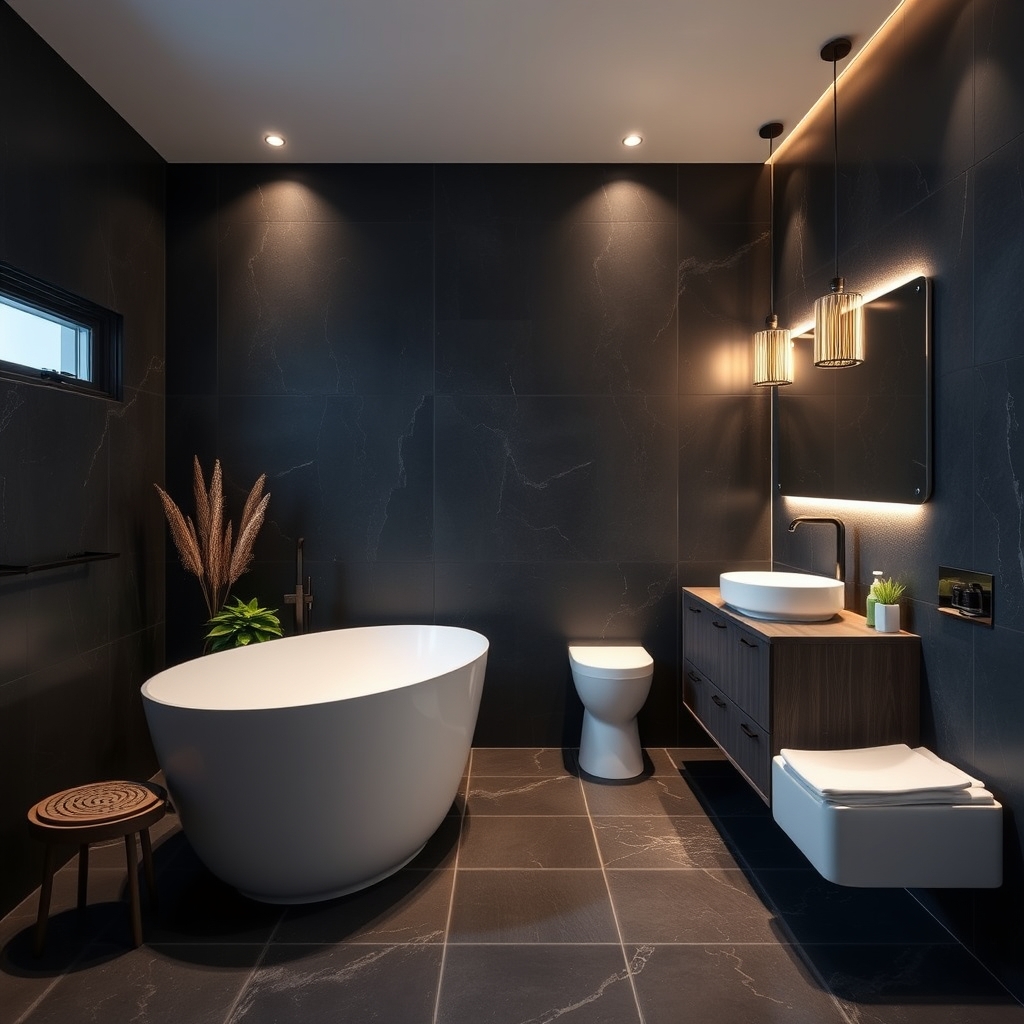
Sydney homeowners are embracing a blend of timeless elegance and modern functionality. Current trends include natural materials like timber vanities and stone benchtops, which add warmth and texture. Matte black and brushed brass fixtures are popular choices, offering a sophisticated contrast to white or neutral tiles. Freestanding bathtubs remain a sought-after feature, especially in larger bathrooms, creating a focal point for relaxation. For smaller spaces, walk-in showers with frameless glass screens and linear drains maximize space and create a seamless look. Smart technology is also making its way into bathrooms: heated floors, motion-sensor taps, and mirrors with integrated lighting and demisters are becoming standard. Sustainability is another key consideration — low-flow toilets, water-saving showerheads, and energy-efficient LED lighting reduce environmental impact and utility bills. When planning your design, consider hiring an interior designer or working directly with a who can offer tailored advice based on your home’s architecture and your personal style. Remember, a well-designed bathroom should feel like a sanctuary, not just a utility space.
Choosing the Right Professionals for Your Renovation
Learn more about House Renovations and how it applies to your specific needs.
A successful bathroom renovation relies on a team of skilled professionals. At a minimum, you will need a licensed builder, plumber, electrician, and tiler. For more complex projects, you might also involve a waterproofing specialist, cabinetmaker, or structural engineer. When vetting contractors, check their credentials: licenses, insurance, and references. Ask to see examples of previous work, especially bathrooms similar in scope to yours. It’s also important to get multiple quotes to compare pricing and scope of work. Beware of quotes that are significantly lower than others — they may indicate corners will be cut. Communication is key. Choose a contractor who listens to your ideas, offers constructive feedback, and provides a clear contract with milestones and payment schedules. A reputable company will manage the entire process, from demolition to final touches, ensuring that all trades are coordinated and deadlines are met. They will also handle permits and inspections, saving you time and stress. Trust is essential: you are inviting these professionals into your home, so choose a team that values transparency and quality craftsmanship.
Budgeting and Cost-Saving Tips
Bathroom renovations can be expensive, but there are ways to manage costs without sacrificing quality. One of the biggest expenses is cabinetry. Instead of custom-built vanities, consider semi-custom or ready-to-assemble options that offer similar aesthetics at a lower price. Similarly, you can save on tiles by using high-end tiles as a feature wall and more affordable tiles for the rest of the space. Another cost-saving strategy is to keep the existing plumbing layout. Moving sinks, toilets, or showers requires additional pipework, which increases labor and material costs. If you are happy with the current layout, you can focus on cosmetic updates like painting, new fixtures, and lighting. Re-grouting and re-caulking can also refresh a bathroom without a full renovation. For larger projects, consider phasing the work — for example, completing the shower and vanity first, then tackling the flooring and painting later. Always get a detailed written quote that includes all materials, labor, and any potential extras. A trustworthy specialist will help you prioritize your budget and suggest cost-effective alternatives that still meet your design goals. Remember, investing in quality waterproofing and plumbing now can prevent costly repairs later.
The Renovation Process: Step by Step
Understanding the typical renovation process can help you prepare and reduce anxiety. The first step is demolition: removing old tiles, fixtures, and cabinetry. This stage is messy but necessary. Next comes rough-in work: plumbers and electricians install new pipes, drains, and wiring. This is followed by waterproofing, which is critical in wet areas like showers and around baths. A licensed waterproofing professional must apply a liquid membrane or sheet membrane to prevent leaks. After waterproofing, the tiling begins. Tiles are laid on floors and walls, and grout is applied. Once tiles are set, the installation of fixtures takes place: toilet, vanity, shower screen, bathtub, tapware, and lighting. Finally, finishing touches like mirrors, towel rails, and accessories are added. Throughout the process, inspections may be required at key stages (e.g., after waterproofing, before tiling). A good contractor will keep you informed of progress and any issues that arise. Expect some delays due to material availability or unforeseen structural problems, but a well-organized team will minimize disruptions. If you are considering a full , it’s wise to have a contingency fund of 10–15% of your budget for unexpected expenses. With careful planning and professional execution, your new bathroom will be a source of pride for years to come.
FAQs
How long does a typical bathroom renovation take in Sydney?
Most bathroom renovations take between 3 and 6 weeks from start to finish. This timeline includes demolition, plumbing and electrical work, waterproofing, tiling, and installation of fixtures. Complex projects involving structural changes or custom cabinetry may take longer. Your contractor should provide a detailed schedule before work begins.
Do I need council approval for a bathroom renovation in Sydney?
It depends on the scope of work. Cosmetic updates like painting, replacing fixtures, or retiling generally do not require approval. However, structural changes such as moving walls, windows, or plumbing may require a development application (DA) or complying development certificate (CDC). Always check with your local council or consult a professional to ensure compliance.
How much does a bathroom renovation cost in Sydney?
Costs vary widely based on size, materials, and complexity. A basic renovation (new fixtures, tiles, and paint) can start around $15,000–$20,000. A mid-range renovation with quality finishes and some layout changes might cost $25,000–$35,000. High-end renovations with custom cabinetry, premium tiles, and luxury fixtures can exceed $40,000. Always get multiple quotes and include a contingency for unexpected issues.
What is the most important aspect of a bathroom renovation?
Waterproofing is the most critical element. Poor waterproofing can lead to leaks, mold, and structural damage that is expensive to repair. Ensure that your contractor uses high-quality materials and follows Australian standards. Also, invest in good ventilation (an exhaust fan) to reduce moisture and prevent mold growth.